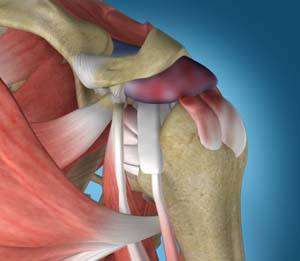
Shoulder impingement is also called as swimmer’s shoulder, tennis shoulder, or rotator cuff
tendinitis. It is the condition of inflammation of the tendons of the shoulder joint caused by
motor vehicle accidents, trauma, and while playing sports such as tennis, baseball, swimming and
weight lifting.
Individuals with shoulder impingement may experience severe pain at rest and during activities,
weakness of the arm and difficulty in raising the hand overhead. X-rays and MRI scans show the
injury and inflammation. Shoulder impingement can be treated with rest, ice packs,
anti-inflammatory drugs, and avoiding the activities involving the shoulder. Physical therapy
may be advised to strengthen the muscles and steroid injections may be given if pain persists.
Arthroscopic surgery is recommended if the rotator cuff tendons are torn and to remove the bony
spurs.
Frequently Asked Questions (FAQs)
Shoulder impingement is a condition where the shoulder tendons become inflamed due to compression, causing pain and restricted movement.
It can be caused by repetitive overhead activities, sports injuries, trauma, or conditions like rotator cuff tendinitis.
Symptoms include shoulder pain, weakness, stiffness, difficulty lifting the arm, and pain during overhead movements.
Diagnosis is done through physical examination and imaging tests like X-rays or MRI to assess inflammation and tendon damage.
Yes, most cases can be treated with rest, ice therapy, medications, and physiotherapy. Surgery is only required in severe cases.
Treatment includes rest, anti-inflammatory medications, physical therapy, steroid injections, and arthroscopic surgery if needed.
Surgery is recommended if symptoms persist despite conservative treatment or if there are rotator cuff tears or bone spurs.
Recovery time varies but most patients improve within a few weeks with proper treatment and physiotherapy.
Yes, it can be prevented by proper warm-up, strengthening exercises, and avoiding repetitive strain on the shoulder.
You should consult an experienced orthopedic specialist like Dr. Amit Meena for proper diagnosis and advanced care.
Related Topics