
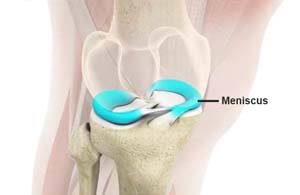
Meniscus tears are the most frequent knee injuries seen in athletes, especially those involved in contact sports. This type of injury typically happens when the knee is bent or twisted abruptly, causing a traumatic tear in the meniscus. In older individuals, the likelihood of experiencing a degenerative meniscal tear increases as the cartilage in the knee weakens and breaks down with age. The meniscus is made up of two C-shaped pieces of cartilage that sit between the thighbone and the shinbone. These structures play a key role in maintaining knee stability and acting as cushioning during movement.
When the meniscus is torn, it can cause pain, swelling, stiffness, and a sensation of the knee catching or locking, which may limit the knee's ability to move freely. Your orthopedic surgeon will examine your knee, evaluate your symptoms, and review your medical history to determine the best course of treatment. The treatment option chosen will depend on the type, size, and location of the tear, along with your age and level of physical activity. If the tear is small and located on the outer part of the meniscus, non-surgical treatments might be sufficient. However, if these methods do not alleviate the symptoms, surgical treatment may be recommended.
Meniscus replacement or transplantation involves replacement of a torn cartilage with the cartilage obtained from a donor or a cultured patch obtained from laboratory. It is considered as a treatment option to relieve knee pain in patients who have undergone meniscectomy
Surgical Treatment
Knee arthroscopy is the most frequently recommended surgical option for addressing meniscal tears. The available treatment methods include removing part or all of the meniscus, known as a meniscectomy, repairing the torn meniscus, or replacing it. Typically, the procedure is carried out using arthroscopy, which involves inserting a small camera through a tiny incision. This enables the surgeon to view the inside of the knee on a larger screen. Additional small incisions are made to insert the necessary surgical instruments. During a meniscectomy, small tools like shavers or scissors are used to remove the damaged part of the meniscus. In an arthroscopic meniscus repair, the torn meniscus is either secured with pins or stitched back into its original position, depending on the type of tear.
Meniscus replacement or transplantation involves replacing the torn cartilage with donor cartilage or a lab-grown patch. This is considered a treatment option for patients who have had a meniscectomy and are experiencing knee pain.
Meniscus tears are among the most common knee injuries, especially in athletes involved in high-impact or contact sports. These injuries often happen due to sudden twisting or bending of the knee, making them a frequent concern for active individuals. In older adults, degenerative meniscus tears are more common as the cartilage weakens over time. The meniscus consists of two C-shaped cartilage structures that act as shock absorbers between the thighbone and shinbone, ensuring smooth movement and joint stability.
A torn meniscus can cause discomfort like knee pain, swelling, and stiffness. At Dr. Amit Meena , we carefully evaluate each case to find the best treatment, aiming to help you feel confident and cared for throughout your recovery.
Advanced meniscus surgery in Jaipur often uses minimally invasive arthroscopic techniques. These procedures, including meniscus repair or partial meniscectomy, offer smaller incisions, less pain, and quicker recovery, helping you feel optimistic about your treatment options.
Early diagnosis and timely treatment are key to preventing long-term joint damage. With expert care and structured rehabilitation, patients can regain mobility, reduce discomfort, and feel more in control of their knee health.
Frequently Asked Questions (FAQs)
Other Special Interest – Knee
-

Meniscus Transplant
-

ACL / PCL / MCL
-
Total Knee Replacement
-
Articular Cartilage Repair
-
Meniscus Surgery
